Pest Control Built for Property Management Portfolios
Common-area pest programs, tenant-complaint coordination, loading-dock rodent exclusion, roof-drain debris pest management, and multi-property portfolio reporting your corporate facilities team can roll up to ownership. Service scheduled around tenant operations — not ours.
- ✓ Multi-Property Reporting
- ✓ Tenant Coordination
- ✓ Aprehend® Professional
- ✓ Commercial Experts
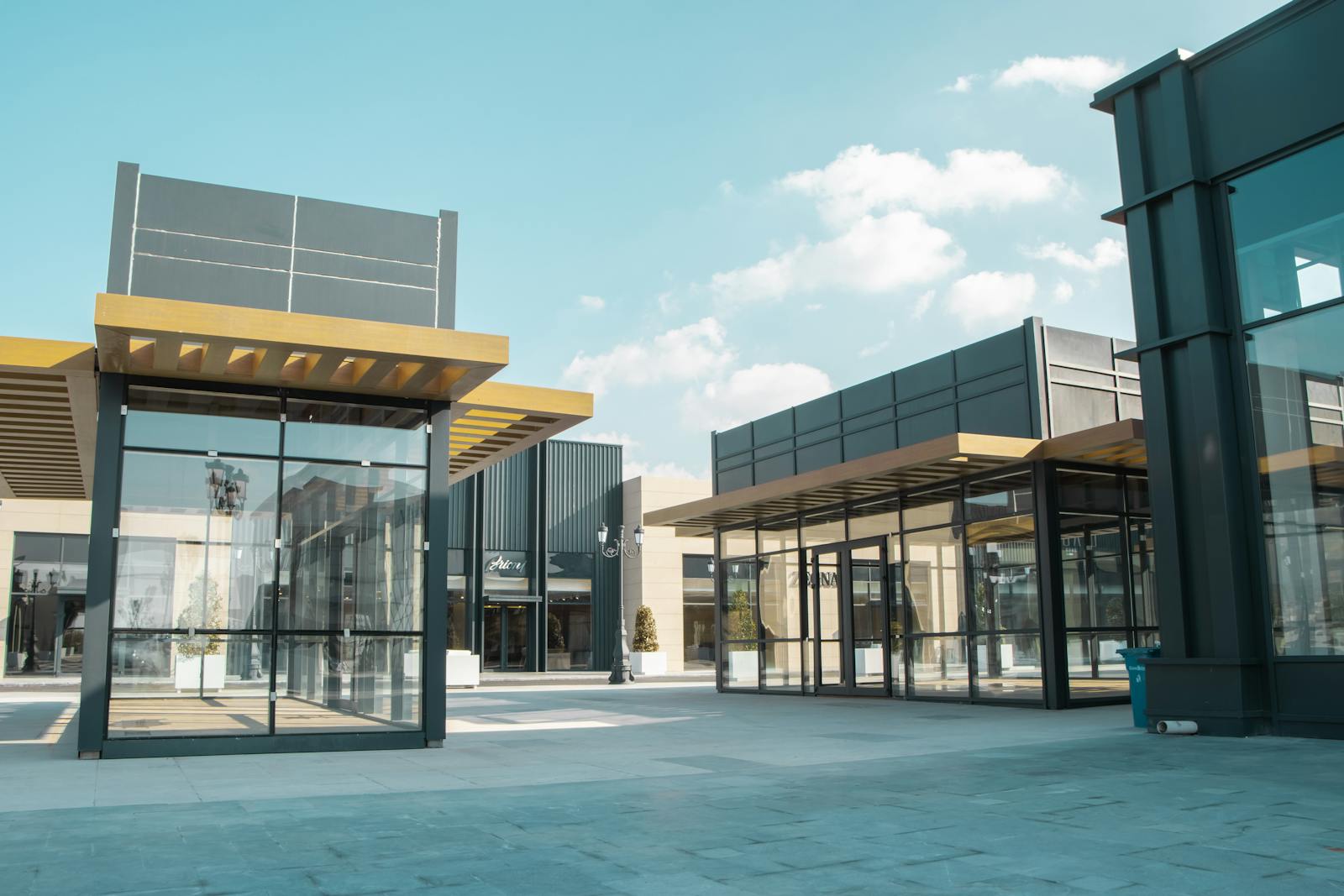
Property management pest work is 40% technical and 60% coordination.
A commercial property manager doesn't generate pest pressure — their tenants do, and the building envelope decides how much of it crosses into common areas, adjacent suites, and the reporting line to ownership. A food-service tenant's back-of-house roach problem becomes a lobby elevator sighting. A loading-dock rodent issue from a shared dock becomes a complaint from three tenants on three different floors within a week. A roof-drain that nobody's cleared in two years becomes a phorid-fly call from the top-floor tenant. None of these are simple pest-control jobs — they're coordination problems where the technical fix is the easy part and the vendor-tenant-landlord communication is where most pest programs fall apart.
ProTech services property management accounts across the Indianapolis metro — from downtown mixed-use towers near Salesforce Tower and the Wholesale District, Mass Ave adaptive-reuse portfolios, Class A suburban office parks along Keystone at the Crossing and US-31 Carmel corporate, Hamilton Town Center mixed-use, Clay Terrace lifestyle-center operations, and the strip-center and flex-industrial portfolios across Plainfield, Whitestown, and Greenwood. Every service is built around multi-property portfolio reporting, tenant-facing communication protocols, and the landlord-tenant lease audit trail property management teams live inside.
We're a small, commercial-focused, owner-operated team on purpose. No residential side calls pulling our techs off a tenant coordination appointment. The same crew knows your portfolio's chronic dock-door buildings, which tenant kitchens drive the cross-tenant pressure, and which roof drains need seasonal debris clearing before the pest call comes in. That's the difference between a pest vendor you manage and one your facilities team can actually offload coordination to.
Every property management format across the Indianapolis metro.
Class A mixed-use, Class B multi-tenant office, lifestyle centers, flex-industrial, strip centers, and portfolio-scale commercial real estate — we've built pest programs around all of them.
Downtown Indianapolis mixed-use — ground-floor retail, restaurant tenants, mid-floor office, top-floor amenity. Cross-tenant pest pressure management, common-area programs, and loading-dock coordination across multiple tenant scopes.
Keystone at the Crossing, US-31 Carmel corporate, 96th Street Meridian corridor, and suburban Class A office-park portfolios. Multi-building common-area programs, shared-dock management, and landscaping-adjacency pest pressure.
Clay Terrace, Hamilton Town Center, Fishers District, and open-air retail-center operations. Mixed food-service and non-food retail tenant coordination, shared-corridor pest programs, and entrance-soffit bird management.
Mass Ave, Fountain Square, Broad Ripple, and Wholesale District adaptive-reuse office portfolios. Older building envelope, mixed-age mechanical systems, and tenant-turnover coordination.
Plainfield, Whitestown, Brownsburg, and Greenwood flex-industrial portfolios. Loading-dock rodent pressure, warehouse-adjacent stored-product pest concerns, and multi-tenant shared-dock coordination.
Suburban strip-center retail portfolios across the metro. Shared-dock coordination, cross-tenant pest pressure (food-service tenant driving non-food-tenant issues), and landlord CAM documentation.
MOB properties adjacent to IU Health, Ascension St. Vincent, and Community Health campuses. Patient-facing-area discretion, stricter tenant sanitation thresholds, and biohazard-adjacent coordination protocols.
Mixed-ownership properties with HOA and commercial property management overlap — commercial pads adjacent to residential HOA, mixed-use condominium commercial bases, and portfolio properties with HOA board reporting requirements.
If it's a commercial property management operation in the Indianapolis metro — self-storage portfolios, parking structure operators, data center facilities, logistics real estate — we build pest programs for it. Tell us what you manage and what portfolio reporting your ownership group expects.
Every pest service an Indianapolis-metro property management portfolio actually needs.
No residential side-programs pulling attention. Every hour of our week is commercial pest management — property management, mixed-use, and multi-tenant commercial real estate.
Commercial Bed Bug Treatment with Aprehend®
Property management bed bug incidents trace to several specific scenarios — a mixed-use tower with hospitality tenants, an office building with a tenant's employee bringing one in, a lifestyle-center theater or event-venue seating incident, or an adjacent residential HOA spillover. Tenant-facing impact is severe and fast. We're one of the short list of Indy-metro operators professionally trained in Aprehend® — an EPA-registered biopesticide that clears bed bugs with low disruption, suite closure, or heat treatment, letting property managers resolve discreetly and coordinate with affected tenants under lease.
- ✓Low disruption
- ✓Kills adults & nymphs
- ✓Up to 3 months residual
- ✓Discreet for tenants and portfolio reputation
Cross-tenant cockroach coordination — food-service tenant back-of-house pressure bleeding into adjacent non-food tenants. Gel baiting at actual equipment and wall-void harborage, not blanket common-area spray.
View service →Common-area fly programs, lobby and elevator vestibule fly response, phorid fly diagnostics for below-slab plumbing issues, and roof-drain debris fly management in older-building portfolios.
View service →Shared loading-dock exclusion, common-area monitoring in lobbies, stairwells, and mechanical rooms, and tamper-resistant exterior stations across the full building perimeter. Multi-tenant coordination built in.
View service →Low-toxicity, threshold-based programs built for landlord-scope responsibility, lease audit-trail documentation, and the corporate ESG reporting multi-property owners aggregate annually.
View service →Common-area break-room columns, lobby entrance pavement ants, elevator vestibule ants, and pharaoh ants in older Class B and adaptive-reuse buildings. Non-repellent baiting that matches tenant-space safety expectations.
View service →Indian meal moth and grain beetles in retail and food-service tenant dry storage, tenant-space break-room pantries, and corporate-gift storage spaces. Tenant-coordinated treatment and monitoring.
View service →Building-envelope exclusion audits, shared loading-dock seal reviews, roof-drain and debris clearance coordination, and tenant sanitation consulting for problem-generating tenant spaces.
View service →Tenant-escalated common-area sightings, cross-tenant complaint cascades, ownership group walkthroughs, and board-reporting-week pest events. Priority dispatch for portfolio operators.
View service →The base service that bundles recurring interior/exterior monitoring, property-by-property reporting, and the full portfolio pest spectrum under one agreement.
View service →What Indianapolis commercial property management portfolios actually face.
Regional pest patterns across Marion, Hamilton, Hendricks, and Johnson county property management portfolios — what we see on service calls, by pressure type and source.
The #1 portfolio pest driver. Rodent entry at shared dock doors cascades across every tenant in the building within weeks. Exclusion at shared docks, mechanical entries, and utility penetrations is the non-negotiable landlord-scope service — interior tenant-space monitoring covers the rest.
Food-service tenant roach pressure migrates through shared wall voids and plumbing chases into adjacent non-food tenant spaces. A restaurant roach problem becomes a law-office roach problem two suites down. Landlord-scope common-wall treatment and tenant-coordination protocols stop the cascade.
Phorid flies indicate a plumbing integrity issue — a cracked waste line below slab, a failed roof-drain sleeve, or a tenant-space floor-sink breach. Drain flies indicate biofilm buildup in common drain lines. Diagnosis is half the job; the fix is often a plumbing coordination, not just a pest treatment.
Bird roosting on entrance soffits, parking-deck structures, and rooftop HVAC units is a major portfolio complaint driver — droppings on tenant-customer walkways, on parked vehicles, and on signage. Netting and exclusion hardware for multi-building portfolios — most of the metro lifestyle and mixed-use properties we service have active bird-exclusion programs.
Brown marmorated stink bugs, cluster flies, and lady beetles accumulate on sun-warmed portfolio glass September through November. Class A tenants notice immediately; Class B tenants complain at the property manager. Exterior perimeter treatment mid-August across the portfolio prevents the cascade.
Spring-and-summer ant columns in shared common areas, lobby entrances, and cross-tenant break rooms. Non-repellent gel bait plus common-wall sanitation coordination is what actually eliminates the colony; repellent spray just scatters it across more tenant spaces.
Exterior spider webs on building overhangs, parking-deck corners, and landscaping-adjacent walls are a tenant-facing aesthetic issue. Common across lifestyle-center and Class A suburban portfolios. Exterior perimeter treatment plus landscaping coordination clears the visual issue seasonally.
Organic debris (leaves, bird nesting material, miscellaneous windblown) in roof drains and HVAC drip pans breeds flies, midges, and occasional rodent nesting. Frequently surfaces as a top-floor tenant fly complaint with no interior cause. Scheduled roof-drain inspection and debris clearance are part of the landlord-scope program.
Property management pest pressure in the Indianapolis metro peaks in three predictable windows — October through February for rodent migration across shared docks and mechanical entries, September through November for overwintering pests on glass across the portfolio, and April through September for ant and cross-tenant cockroach pressure migrating through shared wall voids. Portfolio service frequency is built around tenant mix, building age, and shared-systems configuration — not a generic 30-day cadence.
Documentation built for property management, lease audits, and portfolio ownership.
Lease audit trails, corporate facilities reporting, insurance-carrier underwriting, OSHA, ADA common-area standards, and food-service tenant health-department overlap all want the same core documentation — a preventive program, service records with site and zone detail, and a corrective-action trail.
Landlord-Tenant Lease Audit Trails
Commercial leases typically divide pest-management scope between landlord (common areas, building envelope, shared docks, exterior) and tenant (in-space interior). Our documentation clearly tags every service to landlord-scope or tenant-scope, giving property managers clean audit trails when lease disputes or CAM reconciliation questions come up.
Corporate Facilities & ESG Reporting
Multi-property portfolio owners aggregate pest-program documentation into corporate facilities reporting and ESG disclosures — low-toxicity IPM, reduced-pesticide protocols, annual activity summaries. Our portfolio reporting format rolls cleanly into the facilities and ESG dashboards ownership groups review quarterly.
Insurance Carrier Underwriting
Commercial property insurance carriers request pest-program documentation at renewal — particularly for portfolios with prior rodent damage claims, slip-and-fall claims tied to bird droppings, or tenant-claim history. We produce the documentation underwriters expect across every property in the portfolio.
OSHA & Tenant Employee Safety
Pest activity in common areas and shared spaces — lobbies, stairwells, elevators, mechanical rooms — touches OSHA employee safety expectations for tenant workforces. Our service documentation timestamps every treatment and zone, giving property managers the audit trail when a tenant employee-safety complaint is raised.
ADA Common-Area Cleanliness Standards
Common areas, lobbies, restrooms, elevators, and tenant-accessible corridors fall under ADA cleanliness and public-access expectations. Pest evidence in those spaces generates formal tenant complaints and can escalate to ownership review. High-visibility common-area monitoring is priority zone in our program.
Food-Service Tenant Health-Dept Overlap
Mixed-use properties with restaurant, café, or food-service tenants inherit Marion County Public Health Department food-protection inspection overlap in shared spaces (shared docks, shared plumbing, common corridors). We coordinate tenant-scope and landlord-scope documentation so inspection overlap gets handled cleanly — no surprise citations tied to shared-building conditions.
How we protect your commercial property portfolio.
Portfolio Inspection
We walk every property in the portfolio — lobbies, common corridors, stairwells, elevators, mechanical rooms, shared docks, roofs, exterior perimeter, and landscaping. Map conducive conditions property-by-property and identify shared-systems risk factors specific to your portfolio.
Portfolio Pest Plan
Property-specific treatment plans bundled into a portfolio-scale service program — landlord-scope common areas, tenant-coordination protocols, shared-systems treatment, and multi-property reporting format built around corporate facilities review cycles.
Targeted Treatment & Coordination
Low-toxicity, IPM-compliant treatment in actual harborage — shared dock thresholds, mechanical-room entries, roof-drain structures, common-area break rooms. Tenant coordination for cross-boundary pest events. Scheduled around tenant operations, not around our route.
Ongoing Monitoring & Portfolio Reporting
Monitoring stations, digital service logs, zone-and-property trend tracking, and portfolio-ready reports every visit. Consolidated multi-property dashboard for regional and corporate facilities teams — property-level detail underneath.
Commercial property management pest control across the Indianapolis metro.
We service commercial property management portfolios, mixed-use, lifestyle centers, multi-tenant office, and flex-industrial properties across Marion, Hamilton, Hendricks, Johnson, Boone, Hancock, Madison, Shelby, and Morgan counties.
- Indianapolis, IN→
- Carmel→
- Pest control in Fishers→
- Noblesville pest control→
- Greenwood→
- Westfield, IN→
- Zionsville pest control→
- Brownsburg, IN→
- Avon→
- Plainfield→
- Franklin, IN→
- Lawrence, IN→
- Speedway→
- Pest control in Beech Grove→
- Greenfield pest control→
- Mooresville pest control→
- Shelbyville pest control→
- Pest control in Anderson→
- Whitestown→
- Lebanon, IN→
- Marion County
- Hamilton County
- Hendricks County
- Johnson County
- Boone County
- Hancock County
- Madison County
- Shelby County
- Morgan County
Commercial property management pest questions.
Our food-service tenant has a roach problem that keeps migrating into adjacent non-food tenant spaces — how does that get resolved? +
How do you handle tenant-escalated pest complaints coming to our property management team? +
Can you report across all properties in our portfolio, not just per-property? +
Who's responsible when pest issues cross between landlord common-area scope and tenant in-space scope? +
Our older Class B properties have phorid flies that keep coming back even after drain treatment — why? +
Do you handle bird exclusion on parking decks and building entrances across a portfolio? +
How fast can you respond if an ownership walkthrough is coming up and we have active pest activity? +
Talk to a commercial property management pest specialist.
Tell us your portfolio size, property mix, and current pressure — we'll scope a plan, a price, and a realistic timeline. No high-pressure sales, no call center, no forced contract.
- ✓Free on-site commercial property portfolio inspection
- ✓Licensed, insured, portfolio-ready documentation
- ✓Tenant coordination protocols that offload work from property managers
- ✓Priority response for tenant escalations and ownership walkthroughs