Pest Control Built for Retail & Shopping Centers
Receiving-dock rodent exclusion, stored-product pest control for seasonal candy and grocery-adjacent aisles, bird and pigeon management on entrance canopies and rooftops, and brand-standard documentation that rolls up to corporate loss prevention. Service scheduled around shopper hours — not ours.
- ✓ Brand-Standard Documentation
- ✓ After-Hours Dock Service
- ✓ Aprehend® Professional
- ✓ Commercial Experts
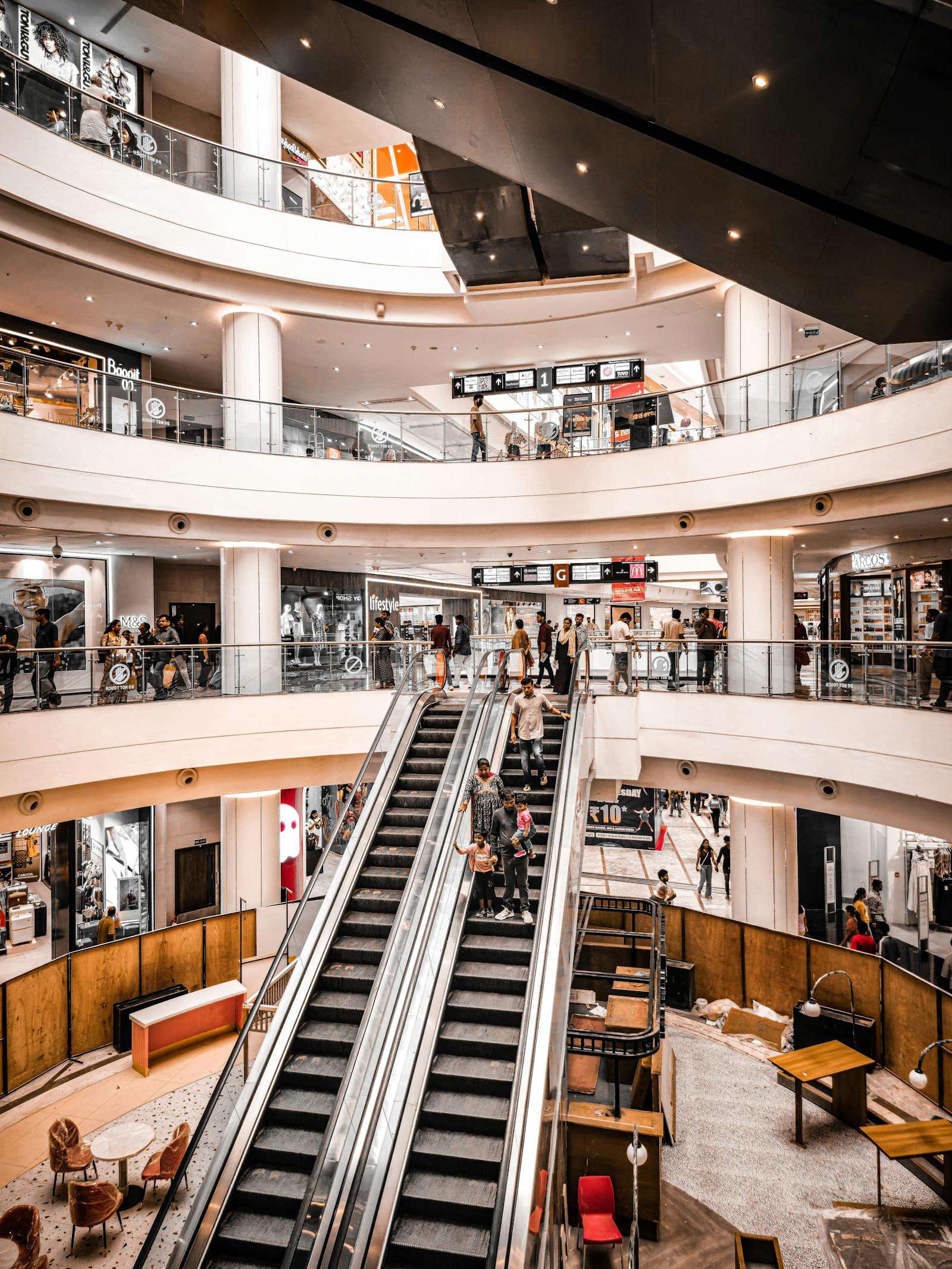
Retail pest pressure hits at the dock, the seasonal aisle, and the entrance canopy.
Retail doesn't generate pest pressure the way a commercial kitchen does — but it generates three specific problems that cost real money when they go wrong. Rodents at the receiving dock chew into inventory, contaminate dry storage, and show up on a corporate loss-prevention report. Stored-product pests infest the seasonal candy aisle, the Halloween-and-Christmas food-adjacent sections, and the endcap impulse-buy inventory that big-box stores stock six months in advance. Pigeons roosting on entrance soffits, canopies, and drive-up pickup lanes leave droppings that trigger shopper complaints, damage signage, and pull down food-adjacent tenant inspections in mixed-use shopping centers.
ProTech services retail accounts across the Indianapolis metro — from Castleton-area big-box corridors, the Fashion Mall and Clay Terrace upscale retail, Hamilton Town Center, Greenwood Park Mall, and the Edinburgh Premium Outlets footprint, down to strip malls and standalone retail along Keystone Avenue, East Washington, Madison Avenue, and the US-31 corridor. Every service is built around shopper-facing disruption tolerance (near zero), receiving-dock traffic windows, and the brand-standard reporting national chains require for corporate audits.
We're a small, commercial-focused, owner-operated team on purpose. No residential side calls pulling our techs off a big-box dock appointment. The same crew knows your receiving schedule, which stockroom corners generate the most rodent activity, and which rooftop unit the pigeons keep finding their way back onto. That's the difference between a service program that actually prevents loss-prevention write-offs and one that just shows up every month.
Every retail format across the Indianapolis metro.
Big-box, department stores, specialty retail, strip-mall tenants, upscale mall tenants, outlet centers, and standalone retail — we've built pest programs around all of them.
Castleton, Greenwood, Plainfield, and Noblesville big-box corridors. High-volume receiving docks, extensive dry storage, seasonal inventory cycles, and brand-standard corporate audit documentation.
Fashion Mall at Keystone, Clay Terrace, and Hamilton Town Center. Reputation-sensitive tenants where a single shopper complaint reaches corporate within hours. Discreet service, pre-open scheduling, and clean-floor execution.
Anchor tenants, footwear, home goods, and apparel. Stockroom rodent monitoring, stored-product pest programs for cedar-and-fabric inventory, and back-of-house service windows.
Standalone strip centers across Keystone, East Washington, Madison Avenue, and every commercial corridor. Shared-dock coordination, shared-HVAC pest spread issues, and landlord CAM compliance.
Mass Ave, Broad Ripple, Fountain Square, and Carmel Arts District boutique retail. Smaller-footprint operators where a single pest sighting is a reputation-level event.
Edinburgh Premium Outlets and outlet-format retail. Strip-layout exterior-entrance pest pressure, high rooftop bird activity, and seasonal-inventory pest programs.
Big-box home improvement with outdoor garden-center exposure, lumber-yard rodent pressure, and seed-and-grain stored-product pest programs distinct from standard retail IPM.
Chain pharmacy and HBA retail across the metro. Food-adjacent inventory, stricter DEA-adjacent sanitation documentation, and refrigerated-inventory pest concerns.
If it's a commercial retail operation in the Indianapolis metro — furniture showrooms, automotive parts retail, sporting goods, pet retail, electronics, toys — we build pest programs for it. Tell us what you sell and what brand-standard audits you're under.
Every pest service an Indianapolis-metro retail operator actually needs.
No residential side-programs pulling attention. Every hour of our week is commercial pest management — retail, shopping centers, and mixed-use retail tenants.
Commercial Bed Bug Treatment with Aprehend®
Retail bed bug incidents are rare but extremely damaging when they happen — typically traced to a customer hitchhiker on upholstered furniture in furniture retail, a dressing-room report in apparel, or a lobby-seating incident in big-box. The news cycle is brutal. We're one of the short list of Indy-metro operators professionally trained in Aprehend® — an EPA-registered biopesticide that clears bed bugs without store closure or heat treatment, letting retail operators resolve discreetly during off-hours.
- ✓No store closure required
- ✓Kills adults & nymphs
- ✓Up to 3 months residual
- ✓Discreet for staff and shoppers
Food-adjacent retail cockroach control — pharmacy snack aisles, big-box grocery-adjacent sections, and seasonal candy displays. Gel baiting in actual harborage, not aisle spray.
View service →Entrance-area fly pressure, dock-door accumulation, and break-room fruit fly response. Less drain-focused than restaurant work; more about entrance-threshold exclusion and dock-door management.
View service →Receiving-dock exclusion, stockroom monitoring, perimeter tamper-resistant stations, and loss-prevention-grade documentation. The service that actually keeps your chewed-inventory write-offs down.
View service →Low-toxicity, threshold-based programs built for retail brand standards, national chain corporate audits, and shopping-center landlord requirements. Minimal product, documented everywhere.
View service →Check-out lane food-adjacency ants, break-room ant columns, and exterior pavement ants at entrance sidewalks. Non-repellent baiting that matches shopper-facing product-choice constraints.
View service →Indian meal moth and grain beetles in seasonal candy aisles, bulk candy endcaps, and food-adjacent impulse-buy inventory. The service most retail programs skip — and the one that catches auditor attention first.
View service →Dock-door seal audits, stockroom organization consulting, entrance-threshold exclusion, and rooftop bird-exclusion site surveys. What prevents the brand-standard audit citation.
View service →Active rodent sighting before corporate audit, shopper complaint escalation, or brand-standard walkthrough. Priority dispatch for retail operators.
View service →The base service that bundles recurring interior/exterior monitoring, dock-to-showroom reporting, and the full retail pest spectrum under one agreement.
View service →What Indianapolis commercial retail actually faces.
Regional pest patterns across Marion, Hamilton, Hendricks, and Johnson county retail accounts — what we see on service calls, by pressure type and source.
The #1 retail pest call. Mice enter at dock doors every fall, follow pallet-stacking patterns into stockroom corners, and nest inside unused seasonal inventory. Norway rats pressure the exterior dock corral and dumpster area. Interior monitoring + exterior exclusion are non-negotiable for brand-standard corporate audits.
Larvae tunnel through bagged candy, bulk-food displays, pet food, and decorative grain-based seasonal inventory. Six-week life cycle means a contaminated shipment becomes a store-wide issue by the end of the quarter. Pheromone monitoring, FIFO rotation, and supplier-audit coordination catch it.
Bird roosting on entrance soffits and canopy undersides leaves droppings on shoppers, signage, and drive-up lanes — a major retail call driver. Also nest mites migrate indoors from abandoned nests. Exclusion netting, spike systems, and ledge modification clear it; pigeon "repellent" gels are short-term only.
Brown marmorated stink bugs, cluster flies, and lady beetles accumulate on sun-warmed retail-entrance glass September through November. High visibility for shoppers entering the store. Exterior perimeter treatment in mid-August prevents the fall issue at entrance level.
Pavement ants at entrance sidewalks and check-out impulse-candy inventory. Break-room odorous house ants from employee snack residue. Pharaoh ants in older strip-mall tenant spaces — require non-repellent bait; spray fragments the colony and makes it worse.
Roach pressure concentrates where retail meets food — pharmacy aisles with snacks and candy, big-box grocery-adjacent sections, and employee break rooms. Gel bait + IGR at actual equipment-level harborage clears it. Less common in apparel and non-food retail, but devastating when caught on a shopper report.
Entrance-threshold fly pressure from shopper traffic and dock-door open intervals. Air curtains help; exterior bait-station management and door-seal audits handle the rest. Break-room fruit flies are the standard office-kitchen pattern.
Exterior entrance spider webs are aesthetic impact for shopper-facing storefronts. Stockroom spiders are indicator pests — they show up where other pest activity is feeding them. Exterior perimeter treatment plus stockroom sanitation reduces both.
Retail pest pressure in the Indianapolis metro peaks in three predictable windows — October through February for rodent migration into stockrooms and receiving docks, September through November for overwintering pests on entrance glass, and the seasonal-inventory pressure cycle (Halloween candy September, holiday candy October-December, spring candy and Easter March-April) that drives stored-product pest complaints. Service frequency is built around your specific inventory and shipping rhythm.
Documentation built for brand standards, corporate audits, and landlord compliance.
National chain corporate audits, landlord CAM requirements, insurance carrier renewals, and loss-prevention documentation all want the same thing — a documented program, service records with product and site detail, and a corrective-action trail.
National Chain Brand-Standard Audits
Walmart, Target, TJX, Kroger, CVS, Walgreens, Home Depot, Lowe's, and every national retail chain runs a brand-standard corporate audit program with specific pest-documentation requirements. We produce audit-formatted reports for every major program — service date, technician, products applied, activity logged, corrective actions, and trend data.
Shopping-Center Landlord & CAM
Mall and shopping-center leases typically include pest-management scope divided between landlord common-area responsibility and tenant in-space scope. We coordinate documentation on both sides so tenants and landlords have clear audit trails, preventing the shared-pest-problem finger-pointing common in strip and enclosed mall environments.
OSHA Employee Safety
Rodent droppings, bird guano on rooftop HVAC intakes, and insect allergens in employee break rooms all raise OSHA-adjacent concerns. Our service documentation timestamps every treatment and application — exactly what a retail operator needs if an employee safety complaint is filed or an injury is reported.
Loss-Prevention Documentation
Rodent inventory damage is a real loss-prevention line item — chewed packaging, contaminated dry goods, and write-off inventory. Our monthly reporting includes activity-by-zone trend data, which lets loss-prevention teams attribute damage to specific root causes and justify program investment against shrinkage metrics.
Insurance Carrier Requirements
Retail property and liability insurance carriers increasingly request pest-program documentation at renewal — particularly for properties with prior rodent claims or shopper-complaint history. We produce the documentation format underwriters ask for.
Food-Section Health Department Overlap
Retailers with deli, bakery, prepared-food, or pharmacy food sections inherit partial Marion County Public Health Department food-protection inspection overlap. We coordinate documentation so the food-section scope is covered under the same audit umbrella as the general retail scope — no duplicate inspection surprise.
How we protect your commercial retail operation.
On-Site Inspection
We walk the full store — sales floor, check-out lanes, stockroom, receiving dock, break room, exterior perimeter, rooftop, and dumpster corral. Map conducive conditions and live pressure specific to your format, brand, and shopping-center environment.
Custom Pest Plan
Treatment selection, service frequency, brand-standard reporting format, and scheduling built around shopper hours, receiving windows, and corporate audit calendars. No generic 30-day cadence.
Targeted Treatment
Low-toxicity, IPM-compliant products placed in specific harborage — dock-door thresholds, stockroom monitoring lines, rooftop bird-exclusion points, entrance perimeters. Scheduled pre-open or after-close, never during peak shopper hours.
Ongoing Monitoring & Reporting
Monitoring stations, digital service logs, trend tracking by zone, and audit-ready reports every visit. Multi-store dashboard access for regional and national chain operators.
Commercial retail pest control across the Indianapolis metro.
We service retail stores, shopping centers, big-box, strip malls, and standalone retail across Marion, Hamilton, Hendricks, Johnson, Boone, Hancock, Madison, Shelby, and Morgan counties.
- Indianapolis pest control→
- Carmel→
- Pest control in Fishers→
- Noblesville pest control→
- Greenwood→
- Westfield pest control→
- Zionsville pest control→
- Brownsburg pest control→
- Avon→
- Plainfield→
- Franklin pest control→
- Lawrence pest control→
- Speedway→
- Pest control in Beech Grove→
- Greenfield, IN→
- Mooresville pest control→
- Shelbyville pest control→
- Pest control in Anderson→
- Whitestown→
- Lebanon pest control→
- Marion County
- Hamilton County
- Hendricks County
- Johnson County
- Boone County
- Hancock County
- Madison County
- Shelby County
- Morgan County
Commercial retail pest questions.
Our stockroom has rodent activity every fall — what actually stops it? +
We keep getting Indian meal moth in our seasonal candy aisle — how is that our pest control company's job? +
Do you handle pigeon exclusion on rooftops and entrance canopies? +
Can service happen outside of store hours so shoppers don't see it? +
Our shopping center splits pest responsibility between landlord and tenant — can you work both sides? +
Do you produce reports for our corporate brand-standard audits? +
How fast can you respond if we have a rodent sighting before a brand-standard audit? +
Talk to a commercial retail pest specialist.
Tell us your retail format, brand-standard audit calendar, and current pressure — we'll scope a plan, a price, and a realistic timeline. No high-pressure sales, no call center, no forced contract.
- ✓Free on-site commercial retail inspection
- ✓Licensed, insured, brand-standard-ready documentation
- ✓Priority response before corporate audits and brand walkthroughs
- ✓After-hours service scheduled around shopper hours