Pest Control Built for Apartment & Multifamily
Aprehend® bed bug treatments with low disruption, unit-turnover protocols between move-out and move-in, Pharaoh ant programs that don't fragment colonies, and common-area IPM that protects your reputation without disrupting residents.
- ✓ Aprehend® Professional
- ✓ Unit-Turnover Protocols
- ✓ Discreet Scheduling
- ✓ Commercial Experts
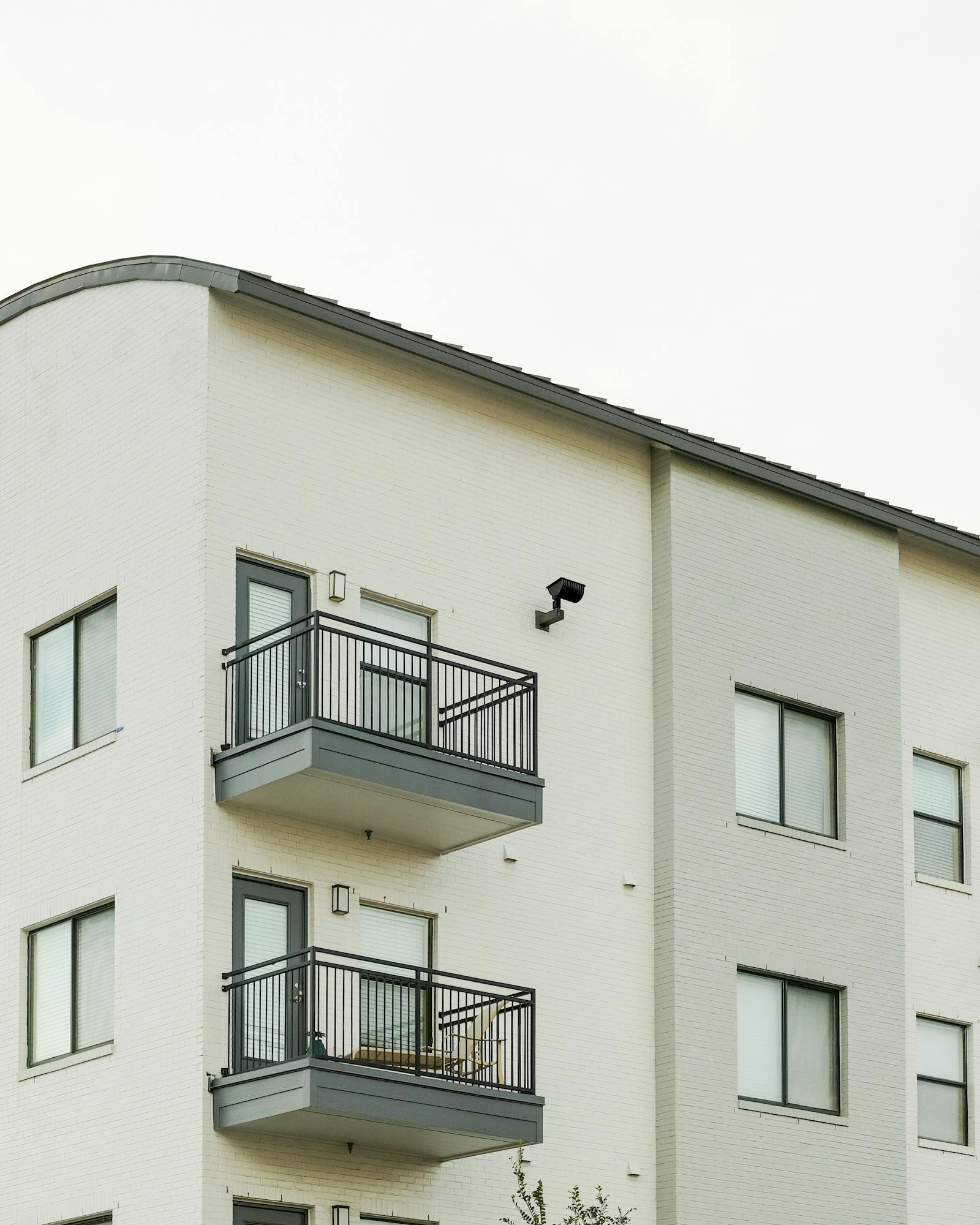
Multifamily pest control is a reputation problem before it's a pest problem.
One bed bug complaint on Google, Apartments.com, or a resident Facebook group can cost you lease signings for six months. Unit-to-unit migration through shared utility walls, electrical chases, and baseboard gaps means a single untreated unit becomes three by the next month. Residents bring pests in from travel, used furniture, and visiting friends — which means prevention is structural and treatment is ongoing. Pharaoh ants fragment into multiple colonies when sprayed with the wrong product. German cockroaches live inside the shared plumbing wall between units 2A and 2B and no surface treatment will reach them. Mice work the dumpster corral every night and slip into ground-floor units through the dryer vent.
ProTech services apartment communities across the Indianapolis metro — Broad Ripple apartments and the Mass Ave loft corridor, Fletcher Place, Fountain Square, the Downtown Canal District high-rises, Keystone at the Crossing apartments, Carmel City Center, Village of WestClay, Fishers District, and the student-housing corridor around IUPUI and Butler. We work with property management companies running 50-unit walk-ups and 400-unit Class A communities the same way: unit-level service differentiated from common-area service, documented resident notices that meet Indiana habitability doctrine requirements, and a pricing model that separates recurring prevention from reactive unit treatments.
We're a small, commercial-focused, owner-operated team on purpose. No residential side calls pulling our techs off schedule. The same tech knows your property, your site manager, which buildings have the Pharaoh ant pressure, and which dumpster corrals need the monthly exterior treatment. That's the difference between a pest program that protects your occupancy rate and one that just treats complaints as they come in.
Every multifamily format across the Indianapolis metro.
Garden-style, mid-rise, high-rise, student housing, senior independent living, workforce housing, new lease-ups, and legacy Class C communities — we've built pest programs around all of them.
Downtown Canal District, Mass Ave lofts, Keystone at the Crossing. Reputation-sensitive buildings with concierge desks and amenity floors. Discreet scheduling and Aprehend® bed bug service that doesn't disrupt residents.
Suburban Hamilton, Hendricks, and Johnson county communities with 8-12 unit buildings, shared laundry, and exterior dumpster corrals. Rodent exterior programs and building-envelope exclusion.
Turnover-heavy buildings with August rush move-ins, bed bug risk from used furniture, and shared kitchen pest pressure. Summer-between-lease unit treatments and building-wide pre-move-in prep.
Not nursing homes — rental communities for 55+ independent residents. Lower reporting rate on bed bugs (residents often don't recognize early signs), making proactive inspection critical.
LIHTC and HUD-regulated properties with compliance reporting requirements. Documentation formatted for annual recertifications and REAC inspections.
Fishers District, Carmel City Center, Village of WestClay. Pre-occupancy pest inspections, construction-phase rodent exclusion, and first-year resident turnover protocols.
Downtown, Broad Ripple, and Mass Ave buildings with ground-floor restaurants or retail. Shared pest pressure requires coordinated programs across commercial and residential tenancy.
Furnished short-term rentals where bed bug risk from traveler turnover is elevated. Between-stay inspection protocols and Aprehend® residual treatments.
If it's a commercial apartment or multifamily property in the Indianapolis metro — condos with HOA pest programs, co-op buildings, faith-based senior apartments, transitional housing — we build pest programs for it. Tell us what you manage and how many units.
Every pest service an Indianapolis-metro apartment community actually needs.
No residential side-programs pulling attention. Every hour of our week is commercial pest management — multifamily, senior apartments, student housing, and commercial real estate.
Commercial Bed Bug Treatment with Aprehend®
Multifamily is the #1 Aprehend® use case in the metro. Bed bugs migrate between units through shared walls, electrical chases, and resident foot traffic in hallways — and traditional treatments require resident evacuation, tenting, or furniture disposal that you can't reasonably ask a paying lease-holder to accept. Aprehend® is an EPA-registered fungal biopesticide that clears bed bugs on contact without a multi-day shutdown, tenting, or resident-side prep. Three-month residual means re-introductions are caught before they spread. We're one of the short list of Indy-metro operators professionally trained in Aprehend® — and the only commercial-focused team running it at multifamily scale.
- ✓Low disruption
- ✓Kills adults & nymphs
- ✓Up to 3 months residual
- ✓Discreet for residents and leasing office
German roach programs for units, shared utility walls, and common-area trash rooms. Gel baiting and IGR programs that actually resolve pressure in multi-unit buildings.
View service →Fruit flies in trash rooms, drain flies in common-area restrooms, and house flies at dumpster corrals. Source-diagnosed — not aerosol knockdown.
View service →Exterior rodent programs at dumpster corrals, dryer-vent entry point sealing, and interior monitoring for ground-floor and basement units.
View service →Low-toxicity, threshold-based programs aligned with HUD REAC inspection standards and Indiana habitability doctrine. Documentation for every unit-level service.
View service →Pharaoh ants especially — the multifamily-specific ant that requires non-repellent bait. Spraying Pharaoh colonies fragments them into multiple sub-colonies and makes the problem worse.
View service →Common-area package rooms with resident-left inventory, amenity-kitchen pantries, and on-site management offices. The dry-goods pests that migrate between units.
View service →Dumpster corral sanitation, dryer-vent exclusion audits, door-sweep inspections, and building-envelope walks. What prevents next month's resident complaint.
View service →Active bed bug complaint, roach activity in a new move-in unit, or rodent sighting in a common area. Priority dispatch for multifamily property managers.
View service →The base service that bundles recurring common-area monitoring, reporting, and differentiated unit-level service under one multifamily agreement.
View service →What Indianapolis apartment communities actually face.
Regional pest patterns across Marion, Hamilton, Hendricks, and Johnson county multifamily accounts — what we see on service calls, by pressure type and source.
The #1 multifamily pest call by a wide margin. Unit-to-unit migration through electrical outlets, shared wall voids, and baseboard gaps means one untreated unit seeds three more within a month. Aprehend® is the standout treatment — low disruption, kills adults and nymphs, three-month residual catches re-introductions. Reputation-critical: one bad Google review costs you months of lease signings.
Pharaoh ants are the multifamily-specific ant. Tiny, pale yellow, and they nest inside wall voids and electrical chases rather than outdoors. Spraying with the wrong product fragments the colony — one colony becomes ten. Non-repellent bait (like Pre-Empt or Maxforce Quantum) is the only correct treatment. Common cleanup call from national chains that sprayed first and asked questions later.
Lives in the shared plumbing wall between units — which means treating Unit 2A while 2B is untreated is a waste of money. We work with property managers to coordinate simultaneous treatment of adjacent units when German roach pressure is identified. Gel baiting + IGR; no perimeter spray.
Mice enter ground-floor units through dryer vents, weep holes, utility penetrations, and under-door gaps. Exterior rodent programs at dumpster corrals handle the population pressure; interior exclusion handles the entry-point vulnerability. Documented every service.
Drain flies in trash-chute sumps and basement drain lines. Fruit flies in trash rooms, unit kitchen garbage disposals, and amenity-area common kitchens. Enzymatic drain treatment and resident-education sheets.
September through November pressure — residents complain about bugs accumulating on windows and balcony sliders. Perimeter exterior treatment in late summer prevents the fall indoor migration.
Cosmetic more than structural, but residents notice. Dewebbing and perimeter treatment of exterior lighting and common-area high-traffic zones included in recurring service.
Spring through early fall. Resident-complaint-driven. Nest removal plus preventative application on balcony undersides and dumpster canopies where wasps build year after year.
Multifamily pest pressure in the Indianapolis metro follows two patterns — bed bug complaints run year-round with spikes after summer-travel season (August) and winter-holiday travel (January), and outdoor pest pressure (ants, rodents, overwintering pests) follows typical Midwest seasonal curves. Unit-turnover season (June-August) is the highest-volume pest-treatment window of the year. We build service frequency around your property's turnover cycle and resident-complaint patterns — not a generic 30-day cadence.
Documentation built for the landlord-tenant obligations you actually have.
Indiana habitability doctrine, HUD REAC inspections, LIHTC compliance, and property-management audit programs all want the same three things — service records, resident-notice documentation, and a corrective-action trail. We produce all three on every visit.
Indiana Habitability Doctrine
Indiana Code 32-31-8 requires landlords to provide premises fit for habitation — which includes reasonable pest-free conditions. Our service documentation establishes the affirmative defense that you responded to pest complaints with professional treatment, which matters if a resident-side habitability dispute or small-claims filing ever escalates.
Tenant Notice Requirements
Indiana law requires advance notice for non-emergency entry into occupied units. We coordinate with property management on 24-48 hour written resident notices for scheduled unit treatments, and document the notice-and-entry trail for every service — including resident refusals and reschedules.
HUD REAC & LIHTC Compliance
HUD-assisted properties get REAC physical inspections with pest-related scoring items. LIHTC properties face annual recertifications. Our documentation format meets the reporting structure both programs expect, including date-of-service, unit-by-unit history, and corrective-action notes.
Property Management Corporate Audits
Multi-site property management companies run internal audit programs — Greystar, Cushman & Wakefield, JLL, and regional operators all have their own format. We produce portfolio-rollup reports across your buildings with unit-level detail retained underneath. One dashboard for the regional manager, full detail for the on-site team.
Bed Bug Disclosure & Documentation
While Indiana does not require bed bug disclosure in leases, many multifamily operators include it voluntarily — and documented professional treatment history is the evidence that protects you if a prospective-tenant or current-tenant bed bug dispute ever escalates. Every Aprehend® service is timestamped, itemized, and digitally archived.
Liability & Insurance
Pest control service records are also the evidence your property insurance carrier wants if a resident files a habitability or health-related claim. Every service we do is documented in a format your insurance and legal counsel can use — not a handwritten sticker on a utility-closet wall.
How we protect your multifamily property.
On-Site Property Walk
We walk the full property — common areas, amenity spaces, trash rooms, dumpster corrals, mechanical rooms, representative units, exterior building envelope, and parking structures. Map conducive conditions and live pressure specific to your buildings.
Custom Multifamily Plan
Service frequency and scope differentiated by common-area recurring, unit-level reactive, and seasonal exterior. Pricing model transparent across recurring vs. one-off unit calls. Resident-notice protocols coordinated with your site team.
Targeted Treatment
Aprehend® for bed bugs, non-repellent bait for Pharaoh ants, gel bait + IGR for German roaches, exterior rodent programs at dumpster corrals. Scheduled around resident patterns and amenity-area traffic.
Ongoing Monitoring & Reporting
Digital service logs, unit-by-unit history, portfolio-rollup reports for regional managers, and resident-notice archiving. Live dashboard access for multi-property operators.
Multifamily pest control across the Indianapolis metro.
We service apartment communities, multifamily complexes, student housing, and senior independent living across Marion, Hamilton, Hendricks, Johnson, Boone, Hancock, Madison, Shelby, and Morgan counties.
- Indianapolis, IN→
- Pest control in Carmel→
- Fishers→
- Noblesville pest control→
- Pest control in Greenwood→
- Westfield, IN→
- Zionsville, IN→
- Brownsburg, IN→
- Pest control in Avon→
- Pest control in Plainfield→
- Franklin, IN→
- Lawrence, IN→
- Pest control in Speedway→
- Beech Grove→
- Greenfield pest control→
- Mooresville pest control→
- Shelbyville pest control→
- Anderson→
- Pest control in Whitestown→
- Lebanon, IN→
- Marion County
- Hamilton County
- Hendricks County
- Johnson County
- Boone County
- Hancock County
- Madison County
- Shelby County
- Morgan County
Multifamily pest control questions.
What makes Aprehend® different from traditional bed bug treatment at an apartment community? +
How do you handle bed bugs that migrated between units? +
Why do Pharaoh ants get worse after my previous pest company sprays them? +
How do you coordinate with residents on treatment scheduling? +
Do you provide separate pricing for common-area service vs. unit-level treatment? +
Can you produce HUD REAC and LIHTC compliance documentation? +
What's the summer turnover protocol for student housing and high-turnover properties? +
Talk to a multifamily pest specialist.
Tell us your property size, current pressure, and what your residents are complaining about — we'll scope a plan, a price, and a realistic timeline. No high-pressure sales, no call center, no forced contract.
- ✓Free on-site property walk and pest assessment
- ✓Aprehend® bed bug service with low disruption
- ✓Unit-level and common-area service priced separately
- ✓Portfolio-rollup reporting for multi-property operators