Bed Bugs in Indianapolis Apartments: A Property Manager’s Playbook
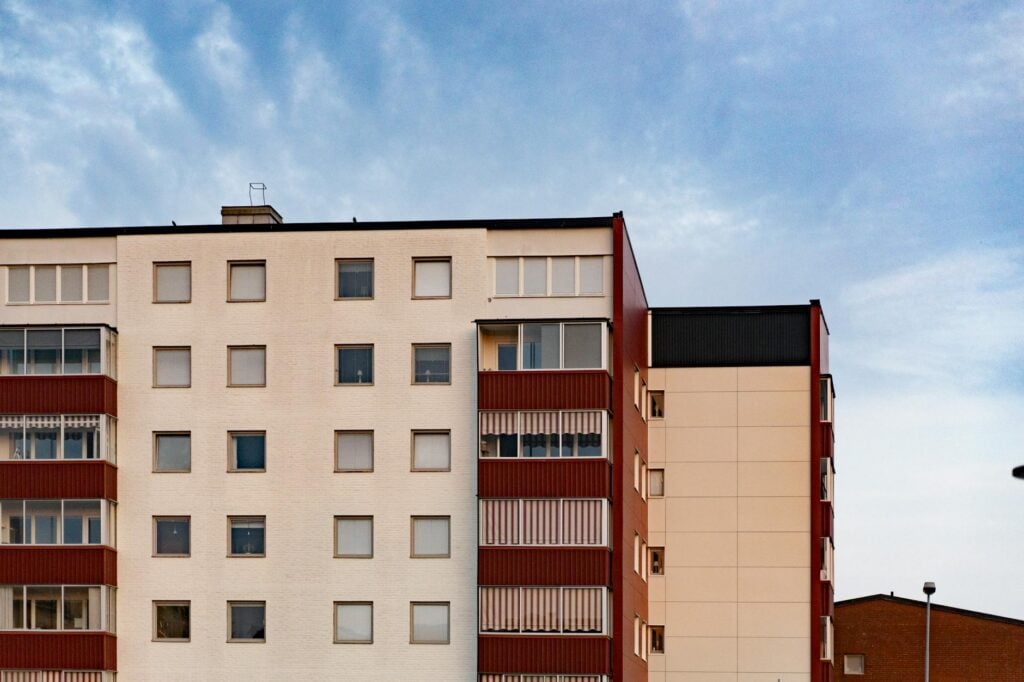
A single bed bug complaint in unit 312 is rarely a single-unit problem. By the time the resident in 312 has bites that look bad enough to photograph and email the leasing office, the population in that unit is usually six to ten weeks old, the adjacent unit (412 above, 312-A next door, sometimes 212 below) already has a starter population through the wall plate or plumbing chase, and at least one resident in that adjacent unit has been quietly itching for a couple of weeks without filing a ticket. By the time you start treatment, you are not solving one apartment — you are containing a building-level event with a tenant who already feels blamed, a maintenance log that says nothing about pest activity, and an online review draft sitting in someone’s notes app.
Bed bugs in multifamily housing are categorically different from bed bugs in a single-family home. The shared walls, the turnover rate, the transient nature of leasing inventory, the layered communication with residents, the HUD REAC pressure on affordable properties, and the speed at which a single Google review can sink a lease-up cycle — all of it changes the math. This is the playbook for Indianapolis property managers and multifamily operators on how to detect, treat, document, and communicate a bed bug case without losing the unit, the resident, or the building.
Why Apartments Amplify Bed Bug Problems
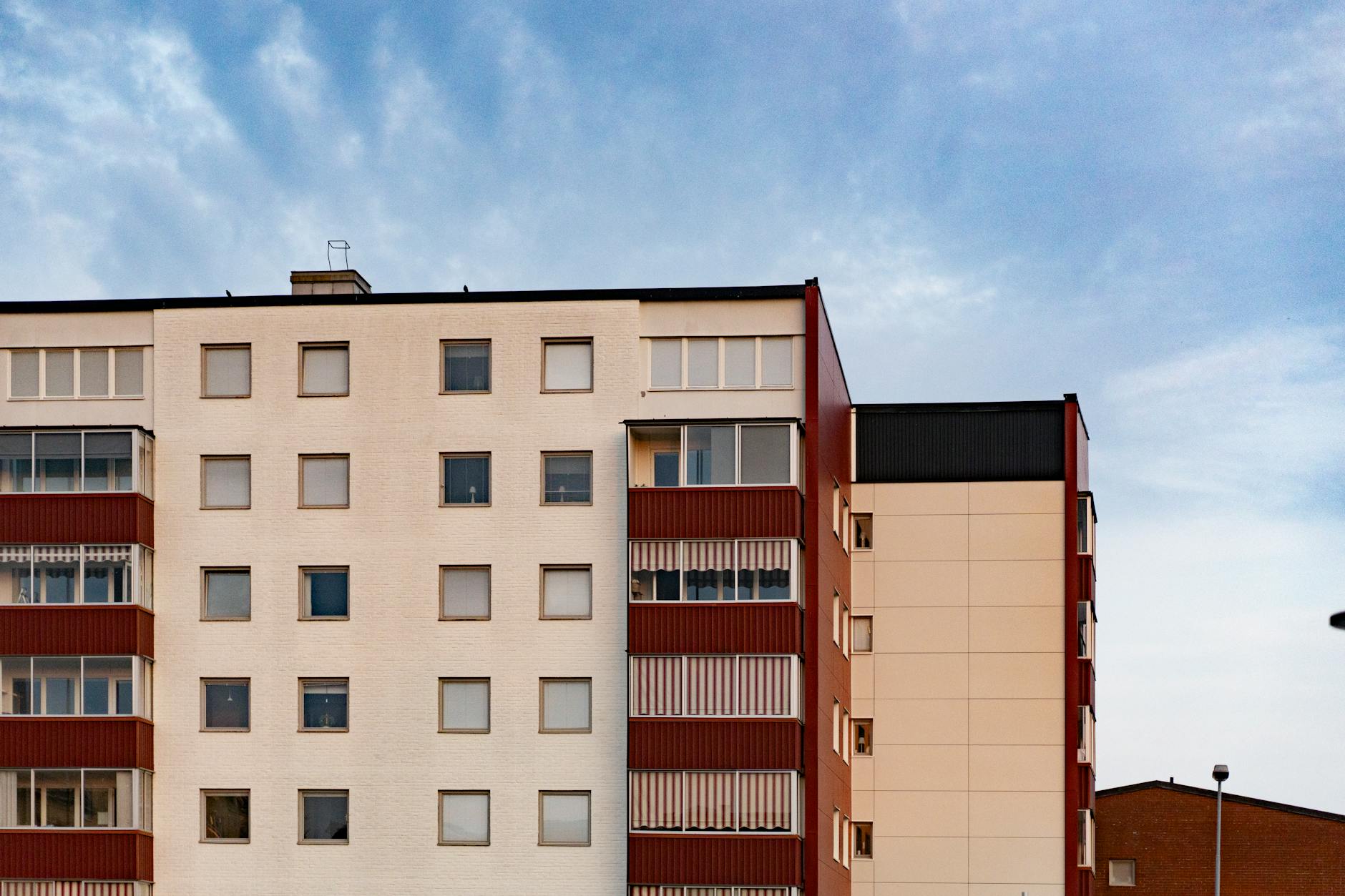
Bed bugs in a single-family home are bounded. The host is finite, the structure is finite, the social dynamics are finite (one household, one decision-maker, one set of laundry habits). In a 200-unit Class B apartment community on Indianapolis’ east side, none of those bounds hold. Six structural and operational realities make multifamily a force multiplier on bed bug pressure:
- Shared walls and shared plenums. Bed bugs are not strong climbers across smooth surfaces, but they migrate readily through wall voids, around outlet boxes, along baseboard gaps, through plumbing chases, and through the gap where the ceiling drywall meets the demising wall. Two units sharing a wall plate effectively share a harborage corridor.
- Transient turnover. A typical Class B Indianapolis apartment turns 35–55% of units annually. Each move-in and move-out is a potential introduction event — used furniture, secondhand mattresses, transferred boxes, and laundry from a previous infested location are the dominant introduction vectors. Turn-and-burn maintenance windows rarely include an inspection step.
- Late-reporting tenants. Residents wait an average of 4–8 weeks after first symptoms to file a maintenance ticket on bites — they assume mosquitoes, allergic reaction, or a skin condition first. By the time the ticket is filed, the population has matured through one to two reproductive cycles.
- Online review and lease-up damage. A single bed bug review on Google or ApartmentRatings.com that gets indexed during a tour week can suppress lease velocity for a quarter. Multifamily operators on lease-up are exposed in a way single-family rentals are not.
- HUD REAC implications on affordable housing. Properties with project-based Section 8, LIHTC, or HUD-insured financing are subject to REAC inspections that include pest evidence as a deficiency category. Repeated unresolved infestations can drag a REAC score below the 60-point threshold that triggers enforcement attention.
- Habitability complaints and small claims exposure. Indiana follows a reasonable-care doctrine on habitability. A property that ignores a documented pest complaint long enough for the resident to assemble a paper trail can land in small claims court — and the case usually turns on whether the property has documentation of timely response, not whether the bed bugs are gone.
Treat it as a building-level event from the first complaint. Adjacent-unit inspection — at minimum, the units sharing a wall, ceiling, and floor with the affected unit — should happen on the same service visit, not after a second complaint. The cost difference between inspecting four units and inspecting one is small. The cost difference between treating one unit and treating four (after the population has migrated for two weeks) is enormous.
Indiana Landlord Notification Expectations and the Reasonable-Care Doctrine
Indiana does not have a statewide bed-bug-specific landlord-tenant statute the way Illinois and a handful of other states do. What Indiana does have is a long-standing reasonable-care doctrine baked into landlord-tenant case law — landlords are obligated to maintain habitable premises and to respond to known habitability issues within a reasonable timeframe. “Reasonable” is not defined to the day in Indiana statute, which means it is defined in practice by industry norms, by lease language, and ultimately by what a small claims judge thinks looks reasonable on the documentation in front of them.
What that translates to operationally for Indianapolis property managers:
- Acknowledge complaints within 24 hours in writing. Email or written maintenance ticket response, timestamped, even if the inspection is scheduled for later in the week. The acknowledgment itself is the documentation that triggers the reasonable-care clock.
- Inspect within 3–5 business days of complaint. Industry best practice across multifamily operators is a same-week inspection. Longer gaps create exposure on the timeline question.
- Provide 24–48 hour advance notice for entry. Indiana doesn’t have a hard statutory entry-notice rule the way some states do, but lease language and best practice call for 24–48 hour notice for non-emergency entry. Treatment visits should respect that window unless the lease specifies otherwise.
- Document the response timeline. Complaint date, acknowledgment date, inspection date, treatment scheduled date, treatment completed date, follow-up date. Six dates. Every case. Every time.
- Communicate adjacent-unit inspections in writing. Residents in adjacent units who are asked to allow a precautionary inspection deserve written notice that explains the inspection is precautionary and not because they are suspected of having pests.
Detection Protocols: K-9, Visual, and Monitor Traps
Bed bug detection in multifamily is tiered. The right tier depends on the situation — a confirmed live sighting in a unit is different from a precautionary adjacent-unit inspection, which is different from a turn-of-unit inspection between leases, which is different from a building-level sweep on a property that has had three complaints in two months. The three primary detection tools, in increasing order of sensitivity and cost:
Tier 1: Visual inspection by a trained technician.
A trained technician with a flashlight, magnifier, and crack-and-crevice tool can confirm an active infestation in 15–30 minutes per unit. Inspection points include: mattress seams and tufts, box-spring corners and the underside of the box-spring fabric, bed frame joints and screw holes, baseboard gaps along the bed wall, the back of nightstands and headboards, and (on heavier infestations) the perimeter of upholstered furniture in the bedroom. Visual inspection is the workhorse — it is the right tool for confirmed-complaint units, adjacent-unit checks, and routine turn-of-unit inspections. Sensitivity drops sharply on very-low-density populations (5–20 individuals across a one-bedroom unit), which is where the next tier comes in.
Tier 2: Bed bug monitor traps and interceptors.
Interceptor cups under bed legs and pitfall-style monitors deployed in unit corners catch bed bugs over a 7–14 day passive monitoring window. They are the right tool for low-density populations that visual inspection misses, for post-treatment verification (are there any survivors?), and for large-scale baseline sweeps where an operator wants to assess building-wide pressure without sending a tech into every unit. Cost is low; the tradeoff is the time window and the dependence on resident cooperation (residents have to leave the traps in place and not move them).
Tier 3: K-9 (canine) inspection.
Trained bed-bug detection dogs work to a much lower threshold than human inspectors — they can detect single-individual or single-egg-cluster populations and they cover units faster (5–10 minutes per unit on a sweep). The tradeoff is cost per inspection and handler availability. ProTech does not currently offer canine inspection in-house; it’s a service tier some multifamily operators contract through specialty providers for building-wide sweeps, post-litigation verification, or REAC-prep on affordable housing portfolios. We will tell you when canine is the right call versus when visual + monitors is sufficient — and on most multifamily cases it is sufficient.
Treatment Options Ranked by Total Cost, Downtime, and Residual
Three viable treatment categories exist for multifamily bed bug response in 2026: whole-room heat, Aprehend® biopesticide residual, and conventional chemical (multi-visit liquid + dust). Each has a different operational profile. The right choice depends on infestation density, unit size, resident cooperation level, neighbor density, and how the property’s accounting wants to handle downtime cost.
| Method | Per-Unit Cost | Unit Downtime | Residual | Tenant Displacement | Labor Profile |
|---|---|---|---|---|---|
| Whole-room heat | High ($1,200–$2,500 per unit) | 6–10 hours (unit must reach 120–135°F core) | None — kill is instant on contact, zero residual after cool-down | Yes — residents and pets out for the day, soft goods may need post-treatment laundering | Single-day intensive — multiple techs, large equipment, generator capacity |
| Aprehend® biopesticide | Moderate ($350–$650 per unit) | Minimal — unit re-occupiable within 4 hours of application drying | 90-day active residual on treated surfaces; transferable kill across the population | Minimal — residents can return same day; no full laundering of soft goods required | Single-visit application + verification follow-up; one tech, light equipment |
| Conventional chemical (liquid + dust) | Low ($200–$400 per unit per visit, 2–3 visits required) | Moderate — 4 hours per visit, 2–3 visits over 4–6 weeks | 30–60 days depending on product class | Yes on each visit — laundering of bedding and clothing, removal of clutter, displacement during application | Multi-visit — high cumulative labor and resident-coordination overhead |
Total cost is the metric that matters in multifamily, and total cost is not the same as per-unit treatment cost. On a 700-square-foot one-bedroom apartment in a Class B Indianapolis community, the actual cost stack on each method looks roughly like this:
- Heat: $1,500 treatment + $0 displacement (if same-day return is workable) or up to $150 for a one-night hotel voucher + 1 hour of staff coordination time + 0 follow-up visits = ~$1,650 total. Fast resolution, no residual protection on adjacent units.
- Aprehend®: $475 treatment of affected unit + $250 each on two adjacent perimeter-treated units ($500) + 0 displacement + 1 hour of staff coordination + 1 verification follow-up visit = ~$1,025 total — and you get 90 days of residual protection on three units.
- Conventional: $300 × 3 visits = $900 + resident-laundering coordination friction + 3 × resident-displacement coordination cycles + higher complaint risk during the multi-week window + still-likely adjacent-unit migration during the residual gap = $900 in product, but materially higher in soft costs and complaint exposure.
Why Aprehend® Changes the Math for Multifamily
Aprehend® is a biopesticide based on a strain of Beauveria bassiana, a naturally occurring fungus that has been used in agricultural pest control for decades. It is applied as a fine spray to harborage perimeter — the back of bed frames, baseboard runs along the bed wall, the perimeter of the box spring, around outlet boxes on shared walls, and the edges of upholstered furniture. The active ingredient remains viable on treated surfaces for approximately 90 days. Bed bugs walking across treated surfaces pick up fungal spores on their cuticle, carry the spores back into harborage, and pass them to the rest of the population through normal aggregation behavior. Kill happens within 4–10 days of exposure.
Five attributes make Aprehend® uniquely well-suited to multifamily operations:
- Residents stay in unit. No same-day displacement, no hotel voucher, no laundry-everything-you-own staging requirement. The biggest single source of friction in multifamily bed bug treatment goes away.
- 90-day residual. The treated perimeter remains active for roughly three months, which means new bed bugs introduced during that window — a moved-in piece of furniture, a reinfestation through a wall void, a new resident’s belongings — get killed by walking across the treated surface. Conventional treatment loses residual long before that re-introduction risk window closes.
- Transferable kill. Fungal spore transfer through aggregation behavior means a single contact bed bug carries the active ingredient back to the harborage population. This is the biopesticide equivalent of the multiplier effect that makes gel-bait roach treatment work — except for bed bugs.
- Preventive perimeter on adjacent units. The same residual property that protects the affected unit can be applied as a preventive perimeter treatment on the units sharing walls, ceilings, and floors with the affected unit — at materially lower cost than treating those units after migration has occurred. This is the move that contains a multifamily bed bug case to one unit instead of three.
- Pet-safe and resident-safe profile. Aprehend® is registered with the EPA and has a low toxicity profile to mammals. Residents with pets, infants, or chemical sensitivities are far easier to onboard onto an Aprehend® treatment than a conventional liquid application.
The math that matters. On a 200-unit community, a single bed bug case contained to one unit with Aprehend® costs roughly $1,025 all-in (one treated unit + two preventive-perimeter adjacents). The same case allowed to migrate over a 6-week conventional treatment window can cost $4,000–$8,000 in cumulative treatment, displacement coordination, and complaint-management staff time — before the first online review hits. The math on Aprehend® for multifamily is not close.
Tenant Notification: Writing a Letter That Earns Cooperation Instead of Defensiveness
How a property manager notifies a resident determines whether the treatment is finished in week three or stalls into a habitability complaint. Residents who feel blamed don’t cooperate. Residents who feel stigmatized push back on entry, drag their feet on prep instructions, and turn into the small-claims paper-trail builder. The notification letter is not a legal document — it is an operational one. Five rules:
- Don’t blame, don’t speculate on origin. Bed bugs come from many sources — used furniture, travel, secondhand goods, neighboring units, deliveries, transferred boxes from storage. The letter should never speculate on which source applies to this resident. Origin doesn’t matter for treatment, and speculating on it (especially in writing) is the fastest path to a defensive resident.
- Lead with the action plan, not the diagnosis. The first paragraph of a notification letter should be what the property is doing, when, and what the resident needs to do — not three paragraphs of bed bug biology. Residents skim. Front-load the operationally important content.
- Provide 24–48 hour advance notice for entry. Industry standard. Even on a confirmed case, residents are far more cooperative when notice is given than when a tech shows up unannounced.
- Include prep instructions in plain language. Bullet points. Eighth-grade reading level. No “laundering protocols” or “perimeter remediation” — say “wash bedding on hot,” “move things 18 inches away from the bed wall.” Translate to Spanish for properties with Spanish-speaking residents.
- Name a single point of contact. One person. One phone number. One email. Not a generic leasing-office line and not a maintenance-ticket portal. A bed bug case is high-anxiety for residents — they need a human to call.
For adjacent-unit residents who are asked to allow a precautionary inspection, the letter is even more important. They don’t have a problem. They are being asked to give up an evening for someone else’s problem. The letter has to make clear that the inspection is precautionary, not accusatory, and that the property is being thorough on their behalf — not investigating them.

Documentation a Property Manager Needs to Keep
Documentation is what wins habitability cases, what supports a REAC inspection narrative on affordable housing, and what shields the property if the case ends up in front of a small claims judge. The right documentation is not complicated, but it has to be consistent. On every bed bug case, every time, an Indianapolis property manager should keep:
- Inspection log per unit. Date of inspection, technician name, findings (live activity / evidence only / no evidence), photographs of evidence sites, and a notation of which adjacent units were inspected on the same visit.
- Treatment log per unit. Date of treatment, products applied (Aprehend® lot number if applicable), specific zones treated (bed frame, baseboard run, adjacent walls, etc.), residual install date if a residual product was used, and technician signature.
- Resident notification timeline. Date of original complaint, date of acknowledgment, date of entry-notice letter, date of treatment, date of follow-up, all timestamped. Email is fine — a printed log of email send-receipts is sufficient documentation.
- Adjacent-unit notification timeline. Same fields, for each adjacent unit that was inspected or perimeter-treated. The point is to establish that the property treated this as a building-level event, not a single-unit reactive case.
- Service provider documentation. A copy of the pest control service report on each visit. ProTech provides multifamily-formatted service reports that include the fields above pre-populated; we don’t make the property manager rebuild documentation from a generic service sticker.
- Photographs. Pre-treatment evidence photographs, treatment-in-progress photographs (residual application zones), post-treatment verification photographs at the follow-up visit. Date-stamped. Stored in the unit folder.
If the case ends up in small claims, the documentation is the case. Indiana’s reasonable-care doctrine doesn’t ask whether the property got rid of the bed bugs on the first visit — it asks whether the property responded reasonably. Reasonable response is defined by the timeline documentation, not by the outcome. Properties that document the timeline win even when treatment is messy. Properties that don’t document lose even when treatment is clean.
When to Bill Back to Tenant vs. Property: A Neutral Framing
The bill-back question is the single most contentious operational decision in multifamily bed bug response. Industry practice across the Indianapolis metro is split — some operators bill back to the tenant any time treatment is required during a tenancy; others absorb treatment cost as a property expense; others bill back only on second occurrences within a defined window; others tie bill-back to specific lease language about resident cooperation with prep instructions. There is no industry consensus and there is no clean Indiana statutory answer.
Three principles property managers should think through before setting a bill-back policy — and we strongly recommend running the final policy past an Indiana landlord-tenant attorney before adopting it portfolio-wide:
- Lease language drives enforceability. Bill-back is enforceable to the extent the lease specifically authorizes it. Vague “resident is responsible for damages” clauses are weaker than explicit “resident is responsible for pest treatment costs when pests are introduced through resident actions or property” clauses. Audit the lease language before relying on bill-back.
- Origin attribution is hard and contested. Bed bugs in unit 312 might have come from unit 312, or from unit 312-A through the wall, or from a delivery driver, or from a previous tenant’s leftover infestation that survived turn cleaning. Bill-back policies that require the property to prove origin in order to charge are policies that mostly don’t get enforced. Bill-back policies that don’t require origin proof but rely on lease-cooperation clauses are more enforceable but less defensible if the resident pushes back.
- Bill-back recovery vs. complaint risk is a tradeoff. Charging a resident $475 for a treatment they feel isn’t their fault is a fast path to a Google review and a habitability complaint. The recovered $475 may cost the property $5,000 in lease-up suppression. Many sophisticated operators have moved to absorbing treatment cost as a property expense and budgeting for it as part of operating cost — partly to eliminate the dispute risk entirely.
Why ProTech for Indianapolis Multifamily Bed Bug Work
ProTech Pest Control is a 100% commercial operator based in the Indianapolis metro, owner-operated by Stephen Hill. We don’t run a residential book on the side and we don’t subcontract multifamily work to a different crew. The same technician who walks your property on the first inspection is the technician who treats it, follows up on it, and walks the perimeter on the next case. There’s no call center, no national-account dispatch layer, and no rotating tech roster. Every property gets the same person — which on a bed bug case is the difference between a tech who already knows where unit 312 is and a tech who is reading the work order on the way in.
We are Aprehend®-certified for the residual treatment protocol covered above, and we provide multifamily-formatted service reports — the documentation fields a property manager needs are pre-populated, not reconstructed from a generic service sticker. We work across Marion County and the eight surrounding counties (Hamilton, Hendricks, Boone, Hancock, Johnson, Madison, Morgan, and Shelby), and our typical response window on confirmed-complaint multifamily bed bug cases is same-week inspection.
If you have an active case or you want to set up a multifamily program before the next case hits, the right starting point is an on-site walk of the property — not a phone quote. See our commercial bed bug treatment page for the Aprehend® protocol detail, our apartments and multifamily page for how we structure recurring multifamily programs, and our property management page for portfolio-level service structures. Request a quote or reach us through our contact page to schedule the on-site walk.
Active bed bug case in an Indianapolis apartment?
We treat the affected unit and the perimeter of the adjacent units on the same visit, document the work in a multifamily-formatted service report, and follow up on schedule. Owner-operated, commercial-only, no call center, no subcontractors. Stephen Hill answers his own phone during business hours.